What the future plumbing & heating education landscape means for providers
The plumbing and heating industry across England is facing widening skills gaps and rapid technological advancement, creating challenges for providers and employers. However, upcoming education reform with the sector presents a critical moment for the future of plumbing and heating skills – and the opportunity for meaningful improvement has never been greater.
27 February 2026
Providers, employers and learners are operating in a sector where the skills gap is growing, technology is moving fast, and employer expectations are shifting. At the same time, major reforms to apprenticeship standards are due to start shortly across the sector, meaning providers and employers must adapt to how work-based training is to be delivered in order to meet the workforce requirements the UK urgently need.
City & Guilds is working alongside industry partners, including the Chartered Institute of Plumbing & Heating Engineering (CIPHE), to help the sector navigate this change with clarity and confidence. Our strategic alliance, announced in August 2025, brings together two organisations with deep expertise and a shared commitment to raising standards, supporting educators, and future‑proofing the workforce.
The current landscape: Demand rising, capacity under pressure
The sector faces a well-documented workforce shortage. Estimates suggest the UK needs more than 73,000 new plumbers by 2032, yet only 1,281 apprentices completed a plumbing apprenticeship in the last five years, creating a significant gap between supply and demand in the talent pipeline.
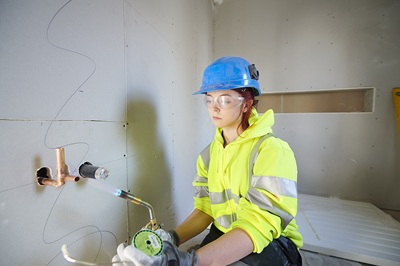
Training providers report difficulty retaining learners through to completion, and the CIPHE’s Education Survey shows that 90% of industry respondents want a clearer, more accessible apprenticeship route with both level 2 and level 3 options.
Employers echo this. They want apprentices who can work safely, competently and sustainably, especially as heating technologies diversify, the Building Safety Act reshapes expectations, and low-carbon systems become mainstream. Meanwhile, providers are balancing shrinking resources with growing pressures to modernise delivery models to teach skills that are more technically demanding.
The current landscape is under pressure across the value chain, but the opportunity for meaningful improvement has never been greater.
What’s changing: New level 2 and level 3 apprenticeship standards
To address these challenges, Skills England has been working closely with the CIPHE and an organised group of awarding organisations to develop new level 2 and level 3 plumbing and heating apprenticeship standards. These standards have been designed with employers of all sizes and tested across the training delivery network to ensure they can deliver robust entry routes into the sector and rebuild the talent pipeline reliably and at pace.
Level 2: Building strong foundations
The new level 2 standard is expected to focus on fundamental skills such as:
- Hot and cold-water installation
- Sanitation systems
- Rainwater systems
Successful completion will lead to direct entry into employment and open progression routes into level 3, widening access at a time when the industry needs to attract new entrants quickly.
Level 3: Preparing for advanced and low-carbon work
The updated level 3 standard will introduce advanced assessment across:
- Low‑temperature and low‑carbon heating systems
- Gas engineering fundamentals
- Complex plumbing system design
- Workplace supervision
This reflects the future of the workforce: One ready to install heat pumps, hydrogen-ready systems and other technologies central to the UK’s net ready ready systems and other technologies central to the UK’s netnet zero zero ambitions.
Assessment reforms
These new standards sit within wider reforms to apprenticeship assessment. Skills England has emphasised the need for simpler, more proportionate methods, including sampling and reducing duplication, supported by a forthcoming taskforce to ensure the engineering needs for construction and building services are fully reflected.
When is it happening? Understanding the transition timeline
Current plans indicate the new level 2 and level 3 standards will be ready for delivery from late summer 2026.
Stakeholders from the construction and Building Service sectors have raised concerns about the pace of change, prompting government to delay immediate implementation of some reforms until a dedicated taskforce completes its work and clarify its expectations to ensure changes align with evolving sector requirements, including the Building Safety Act.
Although we don’t expect this to impact on the planned implementation of the new plumbing and heating standards, we are proceeding with caution in our go to market plans.
For providers, the key preparations include:
- Curriculum redesign to integrate new occupational requirements
- Staff training to ensure readiness for new assessment approaches
- Resource planning, including workshop requirements
- Engagement with awarding organisations to confirm timelines and support
City & Guilds will continue sharing updates, so that providers have the clarity they need well ahead of the next academic year.
What this means for providers, employers, and apprentices
For providers
This transition represents a significant opportunity to refresh programmes, attract more learners and offer clearer progression routes. Providers will be able to offer training that is more aligned with the realities of modern plumbing work, and more appealing to prospective apprentices.
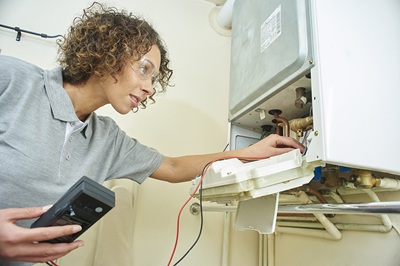 For employers
The new standards help employers recruit apprentices with stronger foundational skills and clearer pathways toward advanced specialisms like low-carbon heating. This supports long-term workforce planning and the shift toward greener technologies.
For apprentices
Clearer entry points, more accessible level 2 training, and modernised content mean apprentices can build confidence early and progress into high‑demand specialisms. These updates open doors for a more diverse group of learners to join the trade.
City & Guilds – Our commitment to the plumbing and heating sector
As the trusted skills partner for the plumbing and heating industry, City & Guilds is:
- Developing qualifications aligned to the new standards
- Supporting apprenticeship readiness and assessment transition
- Working closely with CIPHE and industry bodies to reflect employer needs
- Delivering training and guidance to help providers prepare
We are committed to ensuring that every educator, employer and apprentice has the tools, confidence, and support needed to thrive through this period of change.
What’s next?
We will continue to monitor:
- Government announcements related to apprenticeship reform
- Funding developments
- Employer demand for low-carbon and advanced plumbing skills
To stay informed, providers can sign up for City & Guilds updates, attend upcoming webinars, and join sector briefings as new details emerge.
Building a stronger future together
The plumbing and heating sector stands at a crossroads. With new standards on the way, and industry partnerships strengthening, now is the time for providers and employers to prepare for a more accessible, more relevant, and more future-ready skills system.
City & Guilds is here to support every step of that journey, helping education providers in the sector to ensure that learners have the opportunities they deserve.