Future-proofing skills: Reflections and insights from the Apprenticeships and Training Conference 2026
From reflections on how reforms are creating a more flexible education system, to the top skills needed for modern work, here are the insights and highlights from ATC.
13 March 2026

The Apprenticeships and Training Conference (ATC) 2026 brought together leaders, employers, providers, and policymakers from across the UK for two days of insight, energy, and forward‑looking collaboration.
Workshops led by City & Guilds experts and industry stakeholders were packed to capacity, covered a wide range of topics, and reflected a sector united by momentum, optimism, and a shared commitment to strengthening the UK’s skills landscape.
One of the most valuable elements of ATC was the chance to listen and connect with customers and leaders in training and education. Providers and employers openly shared their experiences of navigating change and the need for more flexibility and strong quality assurance as the skills system evolves – insights that will directly shape how City & Guilds continues to support the sector.
Discover the key takeaways and insights below.
How reforms are building on a credible apprenticeship system built over time
A focal message across the conference was the importance of recognising that today’s apprenticeship system is not an overnight creation, but the result of years of alignment, improvement, and investment from across the sector. The reforms now underway seek to build on that foundation rather than replace it, strengthening what already works while removing points of friction.
Workshop discussions highlighted the aims of reform as simplifying processes, reducing bureaucracy and giving providers greater control over assessment to create a more flexible system that reflects the realities of modern work and learning. And for learners to benefit from the introduction of internal assessment that can be taken in more familiar settings for a more positive experience.
At the same time, conversations at the conference highlighted questions around the proposed changes, including the importance of sustaining levels of quality and ensuring assessment reliably signals occupational competence. Sir Ian Bauckham, Chief Regulator of Ofqual, noted the simplified and streamlined framework can be relied on by employers and that he is: ‘absolutely committed to making sure that apprenticeship assessment remains that trusted signifier of occupational competence.’
Exploring a landscape of challenge and opportunity
Across multiple sessions and workshops, speakers echoed the pressures facing employers today – from shifting labour markets to accelerating technology – are unlike anything we have navigated before. Yet these pressures also present opportunities to rethink, redesign, and ultimately strengthen workforce development strategies.
Conference delegates and speakers emphasised that making skills work is a shared endeavour – one that depends on employers, providers and learners being fully heard in shaping policies and practices that are fit for the future. There was a clear call for government to:
- listen closely to the sector’s on-the-ground experience;
- respond to what works in real settings; and
- have a greater appreciation for the interconnected system of education, learning and development when pulling policy and funding levers.
This year’s conference theme, ‘Transforming workplaces with skills built to last’, was also a nod to this need. It highlighted the top skills needed for the modern workplace are durable capabilities – leadership, creativity, adaptability, communication, problem solving and critical thinking – that equip people not just to respond to change, but to navigate it with resilience and confidence.
At City & Guilds, we will continue to champion and celebrate skills across apprenticeships and qualification reform advocating for high-quality, fit-for-purpose solutions that meet the needs of learners, employers and industry.
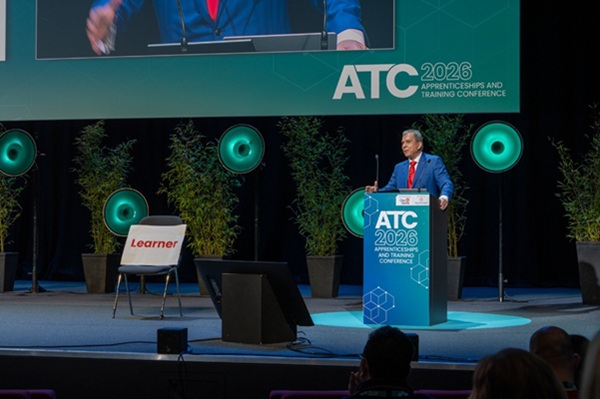
Byron Nicolaides’ Keynote speech at ATC 2026
The role of expert skills partners during reforms
Across discussions, one theme was clear: awarding organisations play a central role in ensuring the apprenticeship system remains credible, consistent, and high quality as it evolves.
As standards across qualifications and apprenticeships continue to align, providers increasingly value working with experienced partners who can support them through change, streamline delivery, and enhance learner journeys.
Reflecting on City & Guilds’ role in ensuring that apprenticeships remain ‘rigorous, respected and prepared for the world ahead’, Founder & Group CEO of PeopleCert, and new owner of City & Guilds, Byron Nicolaides shared:
‘Our commitment is simple. We need to safeguard quality, to support providers through reform, to work with the employers to ensure standards reflect real workforce needs. And if we get those things right apprenticeships will not just be right, they will power the industries, they will unlock opportunities and they will strengthen the UK’s economic future…’
Critically, he emphasised all this must be done while keeping learners at the centre.
Looking ahead with confidence
As ATC 2026 came to a close, the message echoed throughout was one of continuity and evolution: a credible system strengthened, not replaced, by reform – and powered by a community committed to shaping a workforce that can thrive in the years ahead.
To find out more about apprenticeship reform and the support available to providers and employers, visit our apprenticeship reform hub.
You may also be interested in: